
Informations du cours
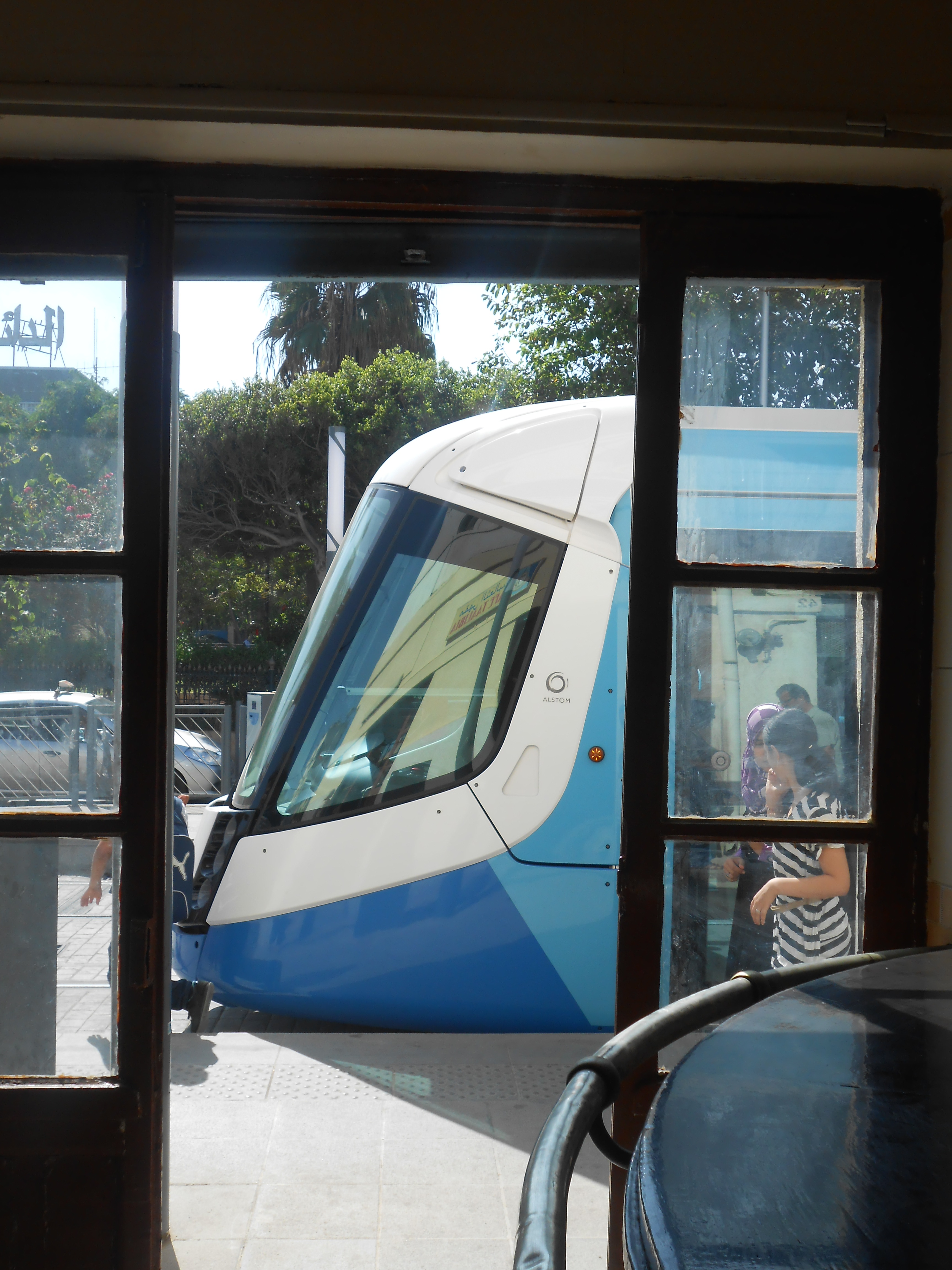
This course offers a structured approach to the relationships between mobility, transport systems, and urban organization, considering transport modes and their infrastructures as structuring components of urban and territorial projects.
Public transport, rail systems, road networks, active mobility, and innovative systems (BRT, cable transport, multimodality) are examined not in a sectoral manner, but as interconnected systems influencing urban forms, accessibility, metropolisation, urban sprawl, and the transition toward sustainable development.
The course provides students with a coherent and critical understanding of transport and mobility systems by placing them at the core of urban, territorial, and environmental dynamics. It aims to build a solid foundational culture in mobility-oriented urbanism, preparing students for more technical or operational coursework at advanced levels.
The course enables students to:
- understand urban dynamics related to mobility and travel,
- identify the specific characteristics of transport infrastructures (exclusive right-of-way vs. mixed traffic),
- analyse mobility needs and practices in relation to transport supply,
- grasp the environmental, social, and economic challenges of transport systems,
- become familiar with mobility planning and design tools at multiple spatial scales.
The approach is chronological, multiscalar, and systemic, moving from the conceptual foundations of mobility to contemporary and future perspectives, while integrating low-carbon transition and multimodality issues.
- Enseignant: Mezoued Aniss